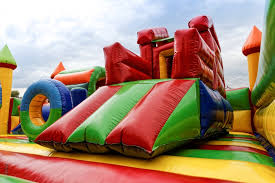
A bounce house is a popular and fun inflatable structure that is commonly seen at children’s parties, events, and carnivals. It provides hours of entertainment for kids as they jump, leap, and bounce around inside the colorful structure. Bounce houses come in various sizes and designs, from simple traditional styles to elaborate castles and obstacle course setups.
Whether it’s a birthday party or a community fair, a bounce house is sure to be a hit with children of all ages. In this article, we’ll explore the history of the bounce house, how they are made, and the safety precautions to keep in mind when using one.

The History of Bounce Houses
Bounce houses have been around for decades, gaining popularity as a staple at children’s parties and events. The concept of inflatable structures designed for jumping and bouncing originated in the late 1950s when a man named John Scurlock created the first inflatable mattress. This invention eventually led to the development of the modern bounce house. Over the years, bounce houses have evolved into more elaborate and themed designs, catering to different preferences and interests of children. Today, they are a common sight at birthday parties, school fairs, and community events, providing endless entertainment for kids.
How Bounce Houses Are Made
The construction of a bounce house involves durable materials such as PVC vinyl and nylon, which are stitched together to create a strong, yet flexible structure. These materials are carefully selected for their durability and ability to withstand constant jumping and playing. The inflatable structure is inflated using a blower that pushes air into the bounce house, keeping it upright and bouncy. Safety features such as netting, anchor points, and proper ventilation are crucial components of a well-made bounce house to ensure the safety of children while they play. For reliable bounce house providers in Phoenix, check out Phoenix Bounce House Providers for top-notch inflatable options.
With their long history and durable construction, bounce houses continue to be a favorite among children at parties and events. From the first inflatable mattress created in the 1950s to the themed designs available today, bounce houses have stood the test of time as a source of endless entertainment for kids. Made with strong materials and safety features, bounce houses provide a safe and enjoyable way for children to jump, bounce, and play to their heart’s content. So whether it’s a birthday party or a community fair, a bounce house is sure to bring joy and excitement to children of all ages.